Masonry Tuckpointing in Cleveland, OH
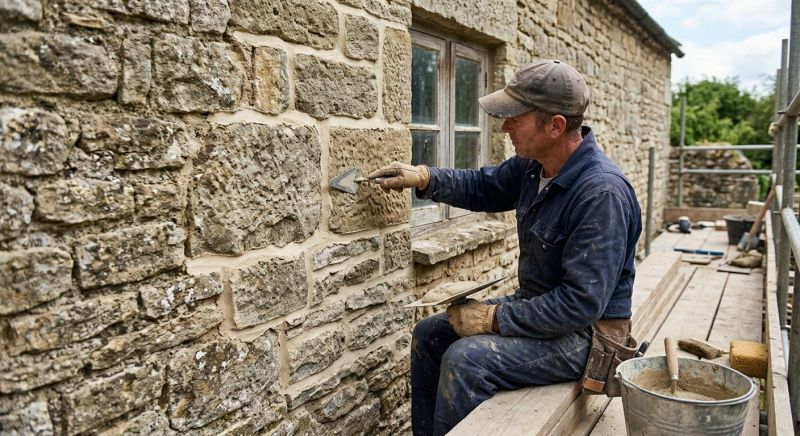
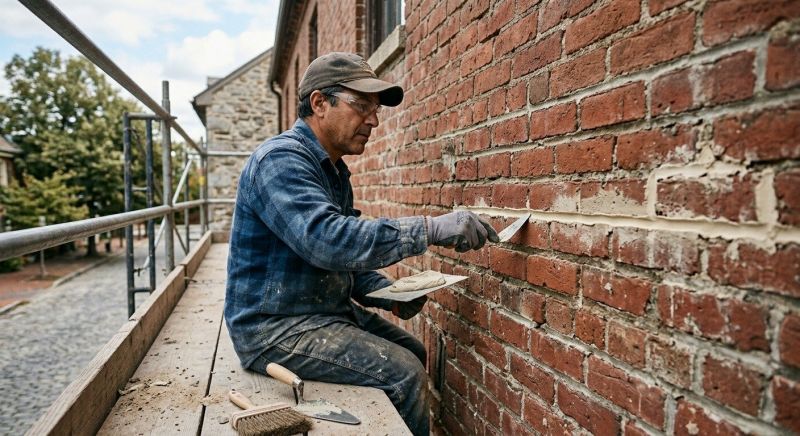
Masonry tuckpointing is a specialized service that involves removing deteriorated or damaged mortar from between bricks or stones and replacing it with fresh mortar. This process helps restore the structural integrity and appearance of masonry walls, chimneys, and facades. Homeowners often request tuckpointing for projects such as repairing cracked or crumbling mortar joints, improving the overall look of brickwork, or preventing water infiltration that can cause further damage. It is commonly used on historic buildings, residential exteriors, and retaining walls to maintain both safety and aesthetic appeal.
Before requesting tuckpointing services, property owners should consider the extent of mortar deterioration and whether the damage is limited to specific areas or widespread throughout the structure. Understanding the type of masonry and mortar used originally can also influence the approach taken during repair. Proper assessment ensures that the work not only enhances the appearance but also prolongs the lifespan of the masonry. Contacting a professional for an evaluation can help determine the most effective solution for maintaining the integrity and beauty of the property’s brickwork.
Many property owners in Cleveland, OH look into Masonry Tuckpointing for repairs, replacements, upgrades, and appearance-related improvements.
Masonry Tuckpointing Overview
Restores the appearance and stability of brick and stone structures in cleveland neighborhoods.
Common Tuckpointing Projects
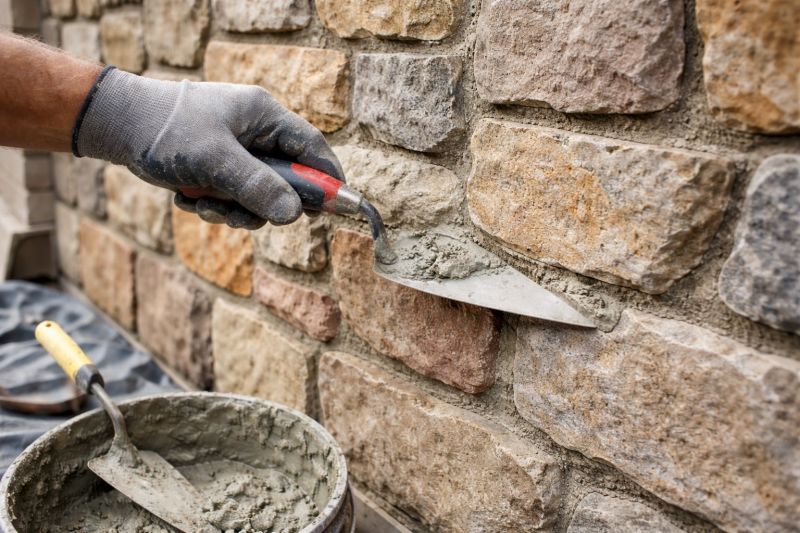
Includes repairing cracked mortar joints, rebuilding damaged sections, and maintaining historic facades.
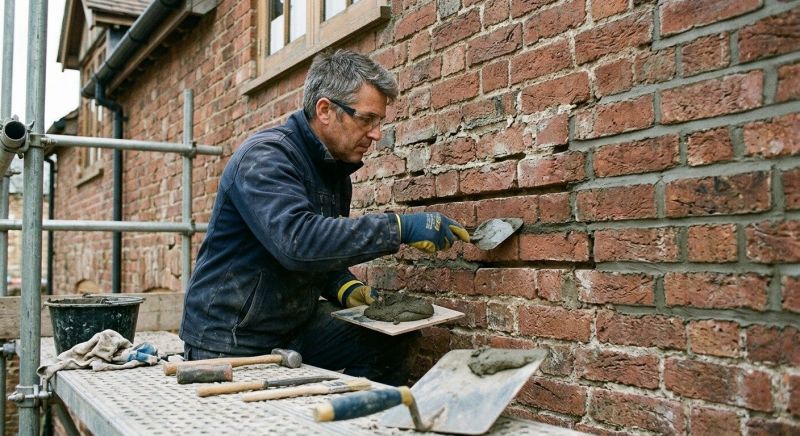
Benefits Of Tuckpointing
Helps prevent water infiltration, extends the lifespan of masonry, and enhances curb appeal for homes and businesses.
Masonry Tuckpointing in Cleveland, OH

Masonry tuckpointing is a specialized service that involves removing deteriorated or damaged mortar from between bricks or stones and replacing it with fresh mortar. This process helps restore the structural integrity and appearance of masonry walls, chimneys, and facades. Homeowners often request tuckpointing for projects such as repairing cracked or crumbling mortar joints, improving the overall look of brickwork, or preventing water infiltration that can cause further damage. It is commonly used on historic buildings, residential exteriors, and retaining walls to maintain both safety and aesthetic appeal.
Before requesting tuckpointing services, property owners should consider the extent of mortar deterioration and whether the damage is limited to specific areas or widespread throughout the structure. Understanding the type of masonry and mortar used originally can also influence the approach taken during repair. Proper assessment ensures that the work not only enhances the appearance but also prolongs the lifespan of the masonry. Contacting a professional for an evaluation can help determine the most effective solution for maintaining the integrity and beauty of the property’s brickwork.
Many property owners in Cleveland, OH look into Masonry Tuckpointing for repairs, replacements, upgrades, and appearance-related improvements.
Common Masonry Tuckpointing Jobs
Brick and Masonry Tuckpointing - restores the appearance and structural integrity of brickwork by replacing deteriorated mortar.
Chimney Tuckpointing - prevents water infiltration and damage by repairing worn or cracked mortar joints.
Foundation Tuckpointing - helps maintain stability and prevents further deterioration of foundation walls.
Facade Tuckpointing - enhances curb appeal by renewing the look of exterior brick surfaces.
Fireplace Tuckpointing - improves safety and aesthetics by repairing mortar in masonry fireplaces.
Historical Masonry Tuckpointing - preserves the original character of historic brickwork while ensuring durability.
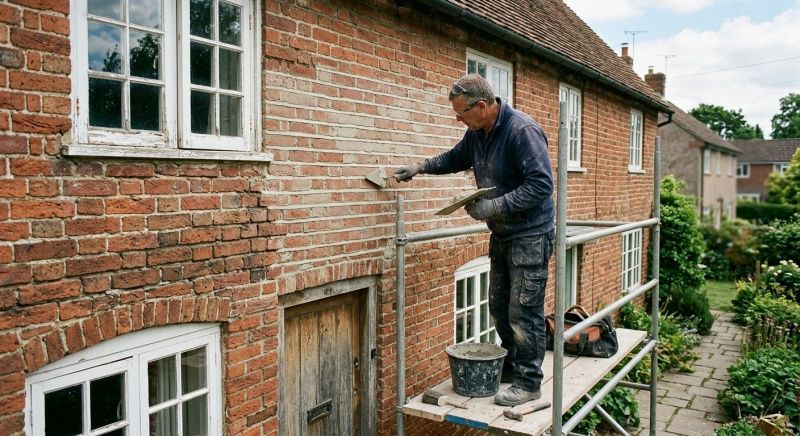
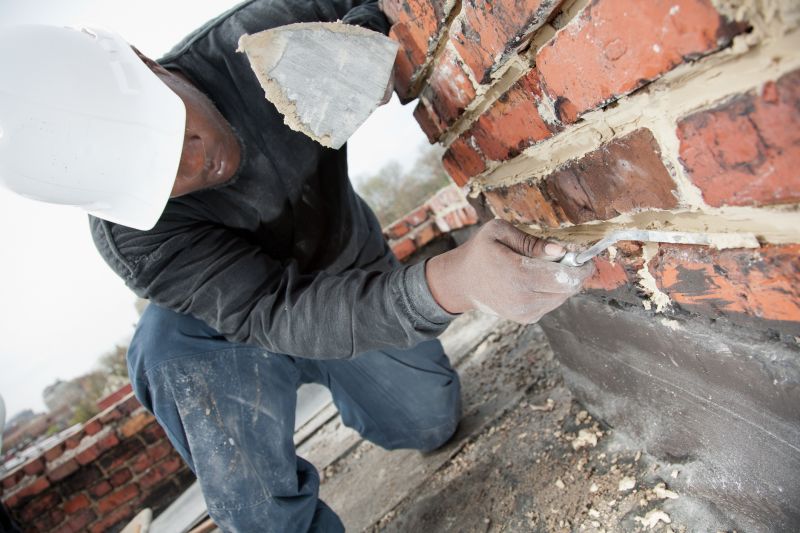
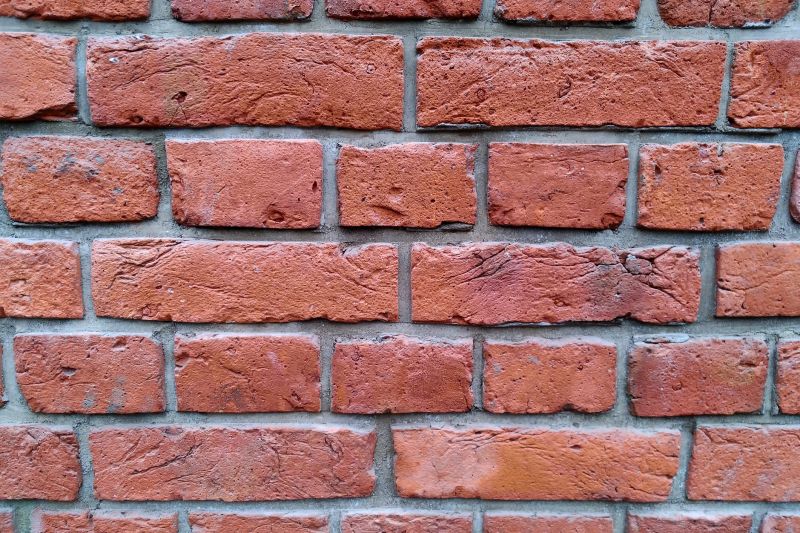
Masonry Tuckpointing Questions
What is tuckpointing in masonry? Tuckpointing involves repairing or replacing the mortar joints between bricks or stones to improve appearance and stability.
Why is tuckpointing important for masonry structures? It helps prevent water infiltration, reduces damage from weather, and extends the lifespan of walls and chimneys.
What types of masonry projects typically need tuckpointing? Common projects include brick facades, chimneys, foundations, and retaining walls showing mortar deterioration.
How can property owners tell if tuckpointing is needed? Signs include crumbling mortar, gaps between bricks, and visible cracks or deterioration in the mortar joints.
Request Masonry Tuckpointing in Cleveland, OH
Use the quote form on this page to share the basics of your project and request more information for the type of work you need.